
Rosemary Oil vs Minoxidil: Natural vs Clinical Regrowth
By the COSMI Naturals team
If you are researching hair regrowth, you have probably hit the same fork in the road as everyone else: rosemary oil vs minoxidil. One is a centuries-old herb, while the other is a pharmacy staple. In this honest breakdown, we compare how each works, what the research actually shows, the side effects, the cost and who each option really suits.
Quick Verdict: Rosemary Oil vs Minoxidil at a Glance
| Factor | Rosemary Oil | Minoxidil |
|---|---|---|
| Type | Natural cosmetic | Topical medicine |
| Speed of results | 3 to 6 months | 2 to 4 months |
| Clinical backing | Moderate | Strong |
| Common side effects | Mild scalp irritation | Dryness, itching, initial shedding |
| Cost | Affordable, one-time | Ongoing monthly expense |
| What happens if you stop | Gains usually hold | Gains usually reverse |
| Best suited for | Mild thinning, sensitive scalp | Clear pattern baldness |
In short, minoxidil tends to act faster and has more clinical backing for pattern hair loss. On the other hand, rosemary oil is gentler, more affordable and better tolerated, with promising evidence for mild to moderate thinning. Many people even use them together. However, neither is a miracle, and both need months of consistency to deliver results.
How Minoxidil Works
Minoxidil is a topical medicine that widens blood vessels in the scalp. As a result, it is thought to push hair follicles into the active growth phase. Furthermore, it is the most studied over-the-counter hair-loss treatment available today.
Dermatologists commonly recommend it for androgenetic alopecia, more familiar as male or female pattern hair loss. Typically, it is applied once or twice daily for at least four months before users see a clear change.
How Rosemary Oil Works as a Minoxidil Alternative
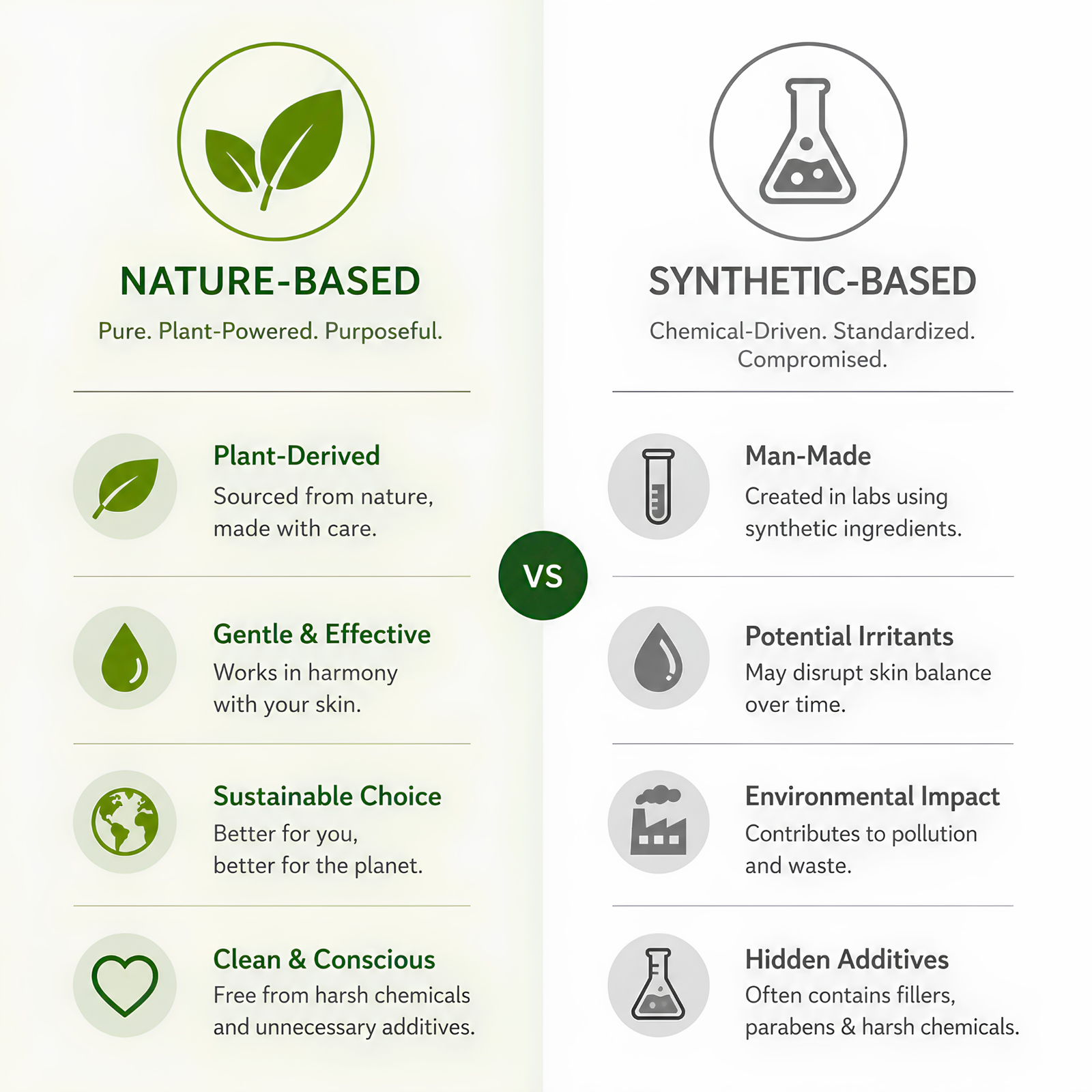
Rosemary oil takes a more holistic route to natural hair regrowth. Its key compounds, carnosic acid and rosmarinic acid, support scalp circulation and reduce inflammation. Consequently, it helps create a healthier environment for the follicles you already have.
Because it is a cosmetic ingredient rather than a drug, rosemary oil works with your scalp instead of forcing a response. Therefore, it is often the first stop for people who want a gentle, plant-led routine.
What the 2015 Comparison Study Shows
A frequently cited 2015 trial published in Skinmed compared rosemary oil vs minoxidil over six months in people with pattern hair loss. Both groups saw a meaningful increase in hair count, and the results were broadly comparable.
However, minoxidil acted somewhat faster in the early months. Notably, the rosemary group reported significantly less scalp itching by the end of the trial. Newer reviews continue to describe rosemary as one of the more evidence-backed natural options. Still, minoxidil leads on the sheer volume of clinical data behind it.
Side Effects Compared
Minoxidil can cause dryness, itching and an initial shedding phase that often worries first-time users. Moreover, if you stop using it, you usually see a gradual return of thinning within a few months.
In contrast, rosemary oil’s main risk is mild skin irritation. This typically occurs only when the oil is used undiluted or by people who are sensitive to it. Therefore, for most users, rosemary is the lower-risk option of the two.
Cost and Convenience
Rosemary-infused oils are inexpensive. Furthermore, they double as a relaxing scalp ritual and fit easily into a natural beauty routine. Minoxidil, on the other hand, is a daily, ongoing commitment, and stopping usually reverses the gains you have built.
Overall, rosemary is friendlier to both your budget and your weekly schedule. That matters, because hair regrowth only works if you actually stick with it.
Who Should Choose Which

Choose rosemary oil if you have mild thinning, prefer natural products, have a sensitive scalp or simply want a long-term maintenance routine you can stick with.
Choose minoxidil, ideally with a dermatologist’s guidance, if you have clear pattern baldness and want the most clinically proven topical on the market.
Consider both if you want clinical action plus the scalp-soothing benefits of a herbal oil. In that case, simply apply them at different times of the day to avoid interaction.
Frequently Asked Questions About Rosemary Oil vs Minoxidil
Can I use rosemary oil and minoxidil together?
Yes, many people do, usually applying them at different times of day. However, it is wise to check with a dermatologist first, especially if your scalp is reactive or already irritated.
Is rosemary oil as effective as minoxidil?
In mild cases, the gap is genuinely small. However, minoxidil still has more robust evidence behind it for advanced pattern baldness.
Does rosemary oil have a shedding phase like minoxidil?
No, it does not. Rosemary oil typically avoids the initial shedding phase that some people experience during the first weeks of minoxidil use.
How long until I see results from rosemary oil?
Most users notice less scalp itching within a few weeks. However, visible regrowth usually takes three to six months of consistent use.
The Bottom Line on Rosemary Oil vs Minoxidil
Minoxidil wins on clinical weight; rosemary oil wins on gentleness, cost and everyday usability. Ultimately, the right pick depends on the stage of your hair loss and how much intervention you want.
If you are early in your hair journey or prefer a natural-first approach, a quality rosemary blend is a sensible place to begin. Our Rosemary Jatamansi Hair Oil pairs rosemary with calming Jatamansi for a scalp ritual you will actually look forward to. Use it as your everyday minoxidil alternative, or alongside an existing routine, and let your scalp tell you what it likes.